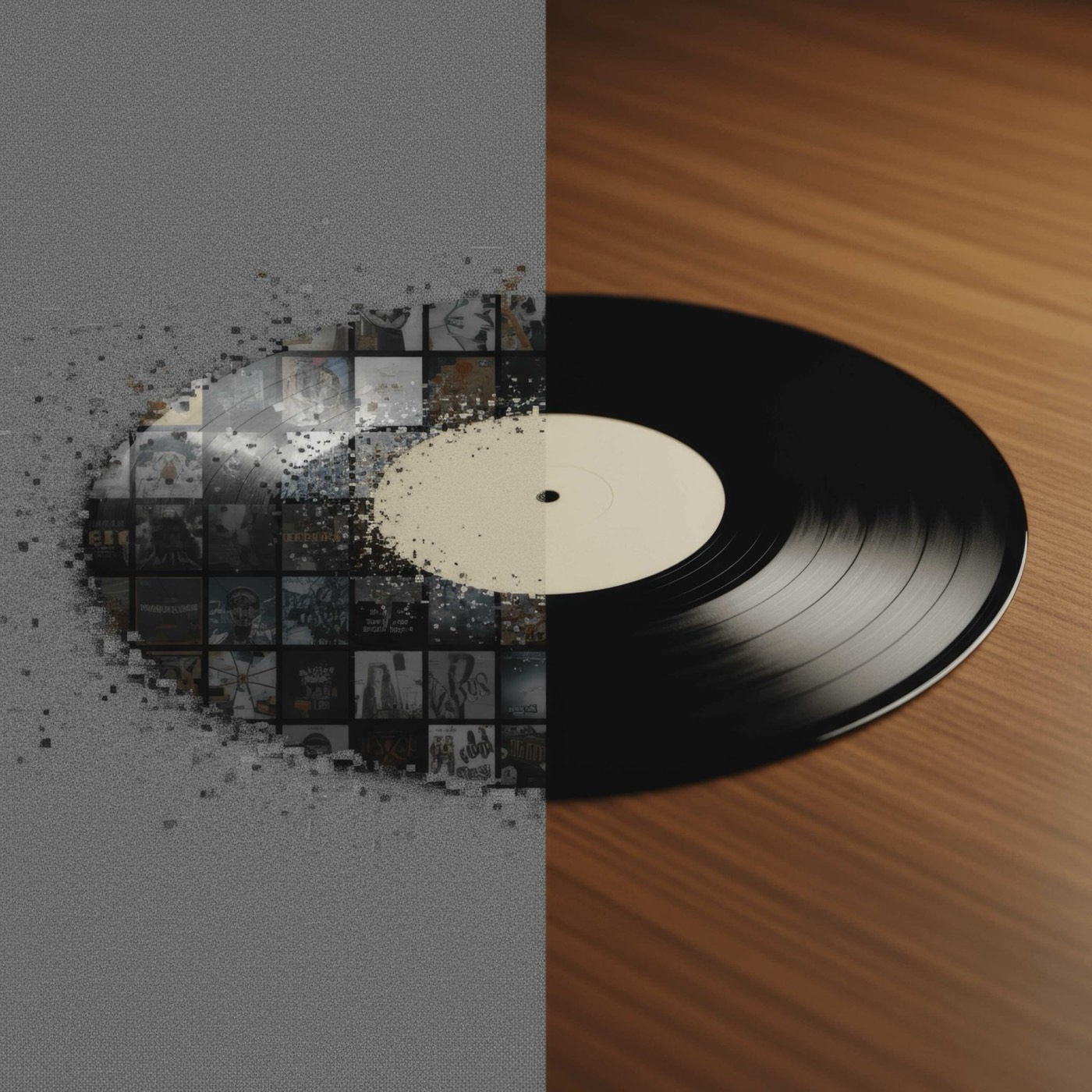
A Hit Is Not a Career
Anyone can make a track today. A career that lasts is built on other things: knowing where sounds come from, practising like a craftsperson, spending on skills before gear, and working with people who know more than you.
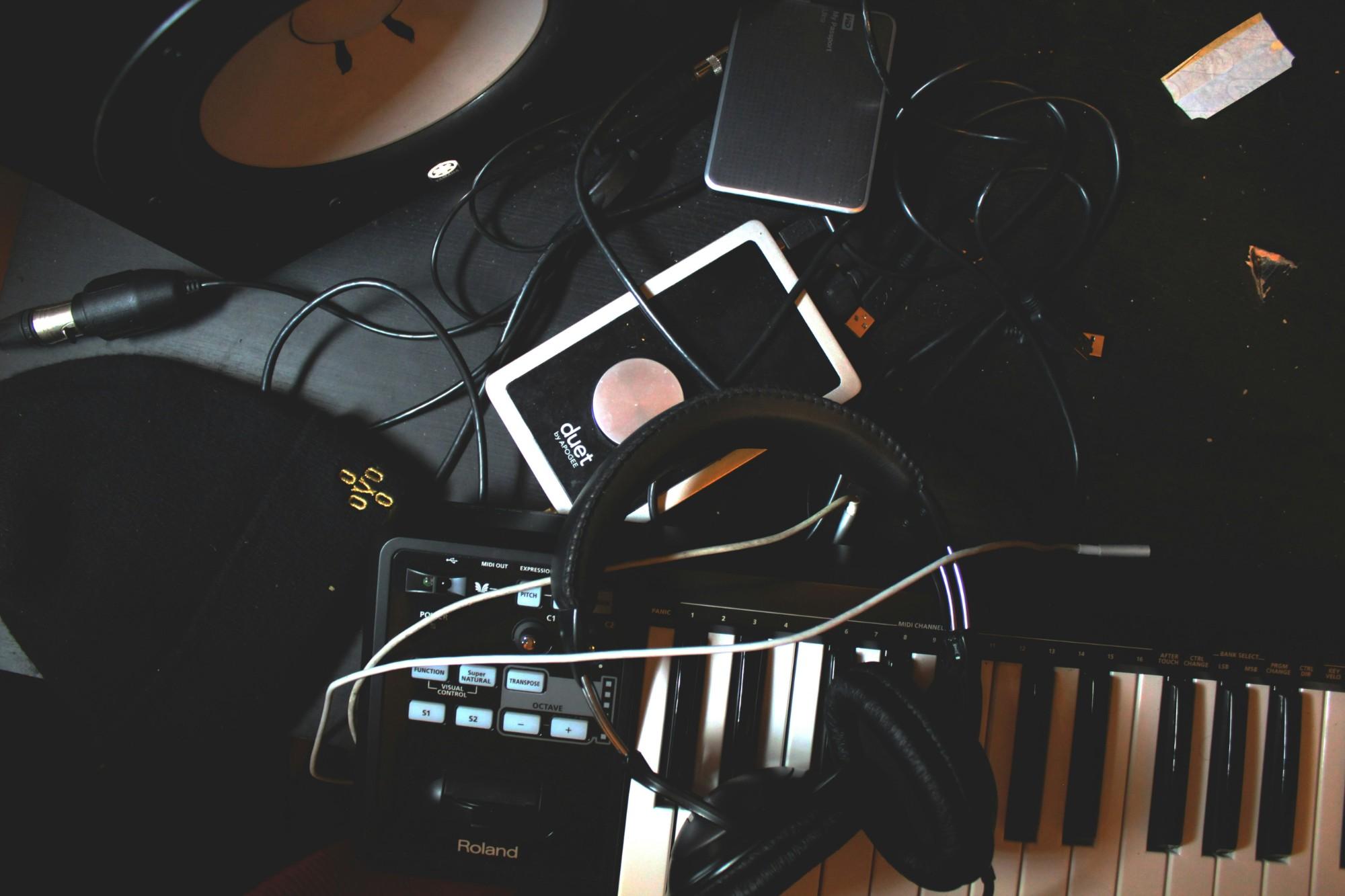
Today anyone can make music with a laptop and a few ideas. That is a genuinely good thing. But between a finished track and a career that holds for five, ten, twenty years, there is a very long road, and most people starting out underestimate how long.
What follows is a set of principles I learned the hard way, or saw confirmed again and again in studios, rehearsal rooms and collaborations. It is written for anyone trying to build a life in music, not just a release. The idea underneath is simple: making a hit and having a career are two different things. Everything below is about the second one.
Can you make a hit in your bedroom?
The access is real. Gear that used to be strictly professional is now sold as consumer equipment, the threshold has dropped, and production cycles have shrunk to match the speed of everything else. There is a social upside too, often underrated: perhaps fewer kids on football pitches, but many more in studios, which are real places of aggregation.
The problem is the story that comes with the access. You have read the headline: an award-winning album made in a bedroom, on cheap speakers and an entry-level laptop. Read closely, articles like that are often promotion for the brands they name. They leave out everything around the bedroom: a seasoned team, a top-tier mix engineer, long months of work, real instruments recorded and then processed, a promotion machine behind the release.
Great records have been made in kitchens and bedrooms. Always on top of serious musical knowledge. The “anyone can make it” story sells plugins and talent shows. It does not describe how lasting music gets made.
The future is hidden in the past
An architecture student studies the movements that came before. So does a painter, an engineer, a writer. In music, people often act as if the art form was born the day the laptop was. It wasn’t.
- Late 70sChicDua Lipa's bass lines. Daft Punk's Random Access Memories, which went looking for that sound on purpose.
- Mid-70sDry disco and funk drums, a reaction to the big reverb chambers of the late 60sToday's "dry" productions, quoting that choice, consciously or not.
- 60sEveryone in the same room, period microphonesMark Ronson producing Amy Winehouse the way the 60s recorded. A different mic gives a different sound, full stop.
- Early 80sThe LinnDrumThe Weeknd. Not nostalgia: a deliberate reference to a machine and the records it defined.
The point is not to copy the past. Many young producers tell me they want to find the sound of the future. You only find it if you know the one that came before: you cannot look for a sound you don’t know exists.
This is the part of my own path I would defend hardest. I started on keyboards and voice as a child, went through piano and a gospel choir, discovered computer music and sound synthesis, and trained in electroacoustic composition at the conservatory. None of it made me less contemporary. It is exactly what lets me move between a neoclassical piano piece, a film score and a live techno set without starting from zero each time.
What a producer actually does
Today “producer” often means the person who makes the beat. With all respect to that work, it is not what a producer is.
A producer handles the arrangement, yes, and a much wider context around it: the artist, the manager, the A&R, the musicians and engineers in the room. Many heads with different demands. The job is not to please everyone. It is to manage all of that and still take the record where it needs to go. The producer amplifies someone else’s talent. Never a replacement for the artist.
This is also why so few real instruments appear in many current productions. The bedroom producer usually works alone and often has no recording skills, not out of laziness, but because the ladder where you learned by watching has largely gone. The old path ran from programmer to arranger to producer, and established producers still went back to arranging for colleagues. Being in charge in one session and not in the next is how you learn how sessions really work.
I recognise this in my own work. Composing for dance means serving a choreographer’s vision and a company’s needs, not my own taste. Those collaborations taught me more about the producer’s role than any solo record.
Practise like a professional
The exercises I recommend to anyone starting out. I have done versions of all of them, and they work.
- Copy productions exactlyRebuild a track you love, note for note. A verse or a chorus is enough. After fifty, you will know where you got close and where you have no idea what they did. That gap is your study plan.
- Work as if you had 23 tracksOn a 24-track tape machine, one track carried the timecode. Records that sold millions were made on 24, 8, even 4 tracks. Four kicks and five basses in a chorus is not richness: it is a problem.
- Switch things offSurrounded by fifteen keyboards? Turn ten off. Too much choice kills creativity: you spend the afternoon auditioning samples and make nothing.
- Make your own soundsInstead of hunting for the perfect sample, record and build it yourself. Otherwise you are assembling other people's material, which is a DJ's craft, not a producer's.
- Don't trust the first takeProfessionals routinely write ten to fifteen versions of a verse. The same four bars can wear a tracksuit or a tuxedo. Try them on before deciding which fits.
- Learn to decideIn the end the producer, with the artist, has to say: this is it. The only way to become sure of your decisions is to make wrong ones along the way.
The payoff comes later. When someone finally calls you to work outside your room, you will have a vocabulary wide enough to answer an artist who says “I want something like this.”
Where to put your money
The most common objection is money: studios are expensive, good producers and arrangers are expensive. True. But it often hides an old expectation, that someone will eventually show up with a wallet and solve the problem for you. Labels rarely fund masters the way they once did. Today most artists are their own first producer.
So the question is where to put the money you do have. With real skills, a small audio interface, a computer and a couple of instruments are enough to make a good song, good enough to send to a label and be taken seriously.
Spend on skills first: harmony, recording, your instrument, lessons, time in a real room with people who know more than you. If you have never been in a proper studio, pay to be in one. Paying for someone’s time also buys you their full attention.
The second half of the advice matters just as much. Working alone can get you noticed. But when a label finally says “interesting”, that is exactly the moment to stop working alone. Otherwise you get the hit, you sign, and you last six months, because you stop growing.
And don’t build on a single genre. Trends come and go, and people who only know the sound of the moment tend to work for three or four years. If in two years you are asked to produce a pop record with live drums, you need to be able to tell the engineer which snare you want, and why. That knowledge outlives every trend.
It is the strongest argument I know for a hybrid career. My work has moved between film music, neoclassical piano with electronics, rock and pop bands, club music, interactive installations and music technology. From the outside it can look scattered. In practice each field has protected me from the expiry date of the others, and each one has fed the next.
Let people do their job
The most valuable studio lesson I know is the separation of roles, something British studio culture has always taken seriously. Recording engineer and mix engineer are different people. If a track needs drums played on pads, you call a drummer, even a friend, because a drummer understands rhythmic subdivision better than you do. The producer is the director of a film crew: the people in the room are not there to make coffee.
The same logic explains why even U2 work with outside producers. Not a lack of ability: the need for an outside view. Watch The Weeknd or Tame Impala in the studio: five or six people around them, each doing a real job.
Two habits I apply myself:
- Sometimes, don’t hand over your rough mix. You hired the mix engineer for their ears, not to copy yours. Ask for both: one mix that follows your rough, one that follows the engineer’s instinct. Then choose with fresh ears.
- Ask the musician. You have a part in mind, the drummer plays it, then you ask how they would play that fill. Sammy Nestico, the arranger best known for his work with the Count Basie Orchestra, opens The Complete Arranger with this idea: every player knows their instrument better than you do, so ask.
It is psychologically hard. After two months on a track you know it by heart, and letting go is difficult. But giving trust and space to a professional is precisely what turns a 6.5 into an 8. Most of my best work has come out of exactly this kind of exchange, with dancers, choreographers, engineers and other musicians.
Song, voice, lyrics, face, production
One of the best pieces of advice I know is old studio wisdom from the great era of record production. In music, the order of importance is this:
- The songthe writing itself
- The voice
- The lyrics
- The faceof the artist
- The production← you are here
So sit down and relax. You can make a stunning production and admire yourself in the mirror, but if the song isn’t there, nothing will save it. Plenty of productions their own producers weren’t proud of have gone platinum, because the song and the voice were there. You are not as important as you think.
That is no reason to work less carefully. It is a reason to step back. The face belongs to the artist; your job is to cut the best suit for them, not to show off. Some ways to get that distance:
- Step six metres back from the fresco. When you are buried in a reverse cymbal, you have lost the big picture.
- Listen from the sofa, as if you were the artist or the client.
- Hit play while doing something else, scrolling your phone, as if the track weren’t yours.
Built to last
Every era has its strengths and weaknesses. Young musicians today can release a self-made track worldwide in an afternoon, something my generation could only dream of. What has become harder is getting into a real room, next to people who know more than you. That is the gap worth closing, and it closes with patience, curiosity and humility, not gear.
If I had to put it on one page:
- Know where your sounds come from. The future is built out of the past.
- Practise like a craftsperson: copy, constrain, make your own sounds, write many versions.
- Spend on skills before machines.
- Learn more than one language, musically and professionally.
- Join teams, even as an assistant. Work in other people's sessions, in charge and not.
- Surround yourself with people who do their job better than you, and let them.
- Remember the order: song, voice, lyrics, face, production.
- Step back often. Serve the artist, not your ego.
A hit can happen to anyone. A career is something you build, decision by decision, collaboration by collaboration. Those are the decisions I keep trying to make, and the ones I would recommend to anyone starting today.
Questions
Do you need a professional studio to start?
No. A computer, a small audio interface and real skills are enough to make music good enough to be heard. The studio, and a team, become essential once you need to grow beyond that first level.
What is the difference between a beatmaker and a producer?
A beatmaker builds the track. A producer shapes the whole record: arrangement, musicians, engineers and the artist’s vision. A good producer amplifies someone else’s talent rather than replacing it.
Why should producers learn music history?
Because most “new” sounds are reinterpretations of older ones. Knowing how a sound was made, and why, is what lets you recreate it, bend it, and eventually find your own.